How to Control a Rust Server as a High-Hour Trio
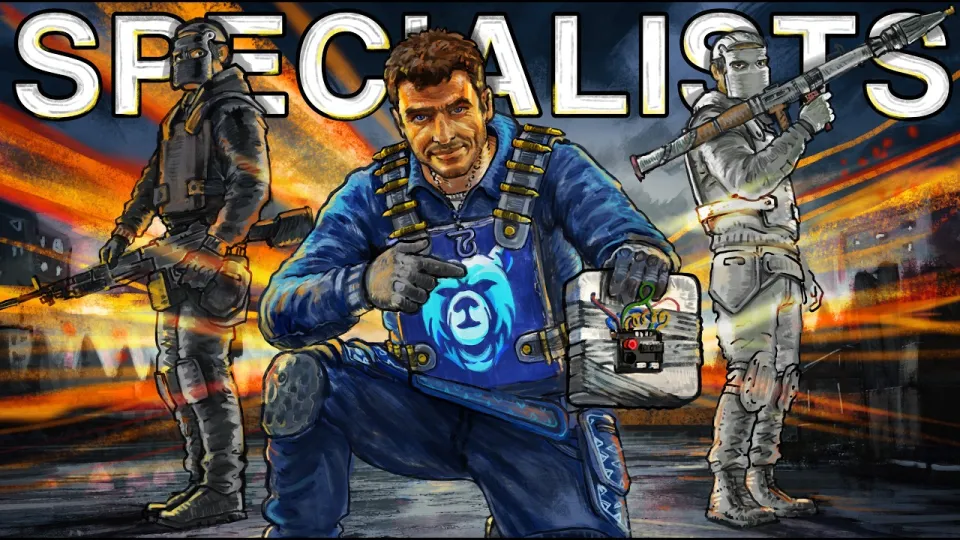
Video: How a 40,000-Hour Trio CONTROLS a SERVER - Rust
Need articles like this for your video? They help promote it on YouTube and Google — order them in the Telegram bot @sat_sit_bot. Articles with your video embedded are written and posted by the bot itself — on popular topical sites (no ads). Try it free: 50 articles on us.
· based on the channel Blooprint
Key takeaways
- Blooprint, Disfigure, and Nine bring a combined 40,000+ hours to a 500+ population Rust server.
- The wipe starts modestly but escalates into full map control through aggressive raiding.
- The trio prioritizes fast early progression to outgear and outpace larger groups.
- Online raids and base defense are central to their dominance, not just offline looting.
- Viewers note the return of high-tier roaming with M2 and L9, a nostalgic throwback to classic Rust.
Controlling a Rust server as a trio means turning three players into a force that outpaces, outguns, and outlasts groups twice their size. Blooprint, Disfigure, and Nine—with over 40,000 combined hours—demonstrate exactly that on a 500+ population server, where early momentum and relentless raiding snowball into map-wide dominance. You can watch their full Twitch streams for live gameplay and bonus content at Blooprint on Twitch.
What a 40,000-hour trio brings to a fresh wipe
Experience compresses decision-making: three veterans can cover more ground in the first hours than a clan of ten. In Rust, the trio’s edge isn’t just aim—it’s knowing which monuments to hit, when to craft, and how to split roles without wasting time. Blooprint, Disfigure, and Nine each have thousands of hours, so they skip the trial-and-error phase that slows most teams. They secure a base location quickly, establish furnaces, and start contesting high-value areas before the server’s zergs have even finished their first raid. That head start compounds: every extra scrap, every early gun, every successful defense widens the gear gap. The trio’s combined hours also mean they’ve seen every dirty trick—door camping, fake friendlies, offline raid bait—and they counter it instinctively.
Early progression and base setup that enables control
A trio controls a server by building a base that’s cheap to expand but expensive to raid. The first priority is a compact starter near a monument with recyclers—usually Outpost or Bandit Camp for safe trading—then rapid expansion into a multi-TC compound. Disfigure and Nine typically handle resource gathering and crafting while Blooprint scouts and contests fights, but roles blur as needed. Key early steps:
- Secure a base spot with access to at least two monuments and a recycler.
- Rush Tier 2 workbench and secure essential blueprints (syringes, ammo, weapons).
- Build a secondary flank base or forward operating base near a hot monument.
- Start raiding small groups to snowball loot without drawing attention from zergs.
The base itself uses layered honeycomb and well-placed turrets to deter offline raids, while the team keeps a stash of explosive materials ready for counter-raids. This setup lets three players defend against larger forces by forcing chokepoints and using turrets as a force multiplier.
How the trio dominates through online raids and PvP
Online raiding is the trio’s signature: they raid during peak hours to bait counters and eliminate competition in direct fights. Instead of quiet offline raids, Blooprint’s team often announces their presence by hitting a rival base and then holding the area for incoming counters. This serves two purposes: it removes loot from enemies, and it forces fights on the trio’s terms. Their PvP approach relies on:
- Constant communication and target focus—three players calling out and collapsing together.
- Using explosives efficiently, often breaching through walls rather than doors to bypass traps.
- Keeping one player on overwatch with a scoped weapon while two push.
- Rotating to a nearby flank base to regear if a fight goes south.
This aggressive style demoralizes larger groups and often causes them to quit the wipe early, which effectively hands the server to the trio. Viewers have noted the return of high-tier roaming with M2 and L9—a nostalgic sight that reminds many of classic Rust dominance.
Common viewer questions about trio dominance
Many viewers who don’t play Rust wonder how three people can control a server full of larger groups. The answer lies in efficiency and psychological pressure. A trio that raids online and wins defenses builds a reputation that makes other players avoid their territory. Some commenters have questioned suspiciously sudden skill from “lurkers” or low-hour players, but in most cases, experienced players simply know how to leverage gear and positioning. Others ask about the return of certain teammates—like Spicy—but the current trio has proven self-sufficient. The key takeaway: control isn’t about numbers; it’s about making every action count and forcing enemies to react to you.
Useful links
- Blooprint on Twitch — live streams and bonus content
- Blooprint on Kick — alternative streaming platform
- Blooprint on TikTok — clips and highlights
- Blooprint on Twitter — updates and announcements
- Blooprint Discord — community and LFG
Final thoughts on server control
A 40,000-hour trio controls a Rust server by combining efficient early progression, a defensible base, and relentless online raiding that breaks the morale of larger groups. Blooprint, Disfigure, and Nine show that three coordinated veterans can outpace zergs and dictate the pace of the wipe. Their approach isn’t about nonstop fighting—it’s about making every fight count and forcing enemies to play defensively. For more of this gameplay, follow Blooprint on Twitch and catch the next wipe live. The Blooprint channel remains the go-to source for high-level trio storytelling in Rust.
Questions & answers
How can a trio compete against larger groups in Rust?
A trio competes by being more efficient: rushing key blueprints, building a defensible base, and using online raids to force fights on their terms. Experience and coordination let three players cover roles that larger groups fill with numbers.
What makes online raiding so effective for server control?
Online raiding baits counters and lets the trio eliminate enemies in direct PvP, removing both loot and morale. It also builds a reputation that discourages other groups from challenging them.
Is it suspicious when low-hour players suddenly perform well?
Sometimes it can look suspicious, but often it’s just experienced players on alternate accounts or players who’ve learned quickly from veterans. In Rust, game sense and positioning can outweigh raw hours.
Do you need 40,000 hours to control a server?
No, but experience helps. A coordinated trio with a few thousand hours can still dominate by focusing on efficiency, base design, and smart raiding decisions rather than raw playtime.
Source: How a 40,000-Hour Trio CONTROLS a SERVER - Rust · Markdown version